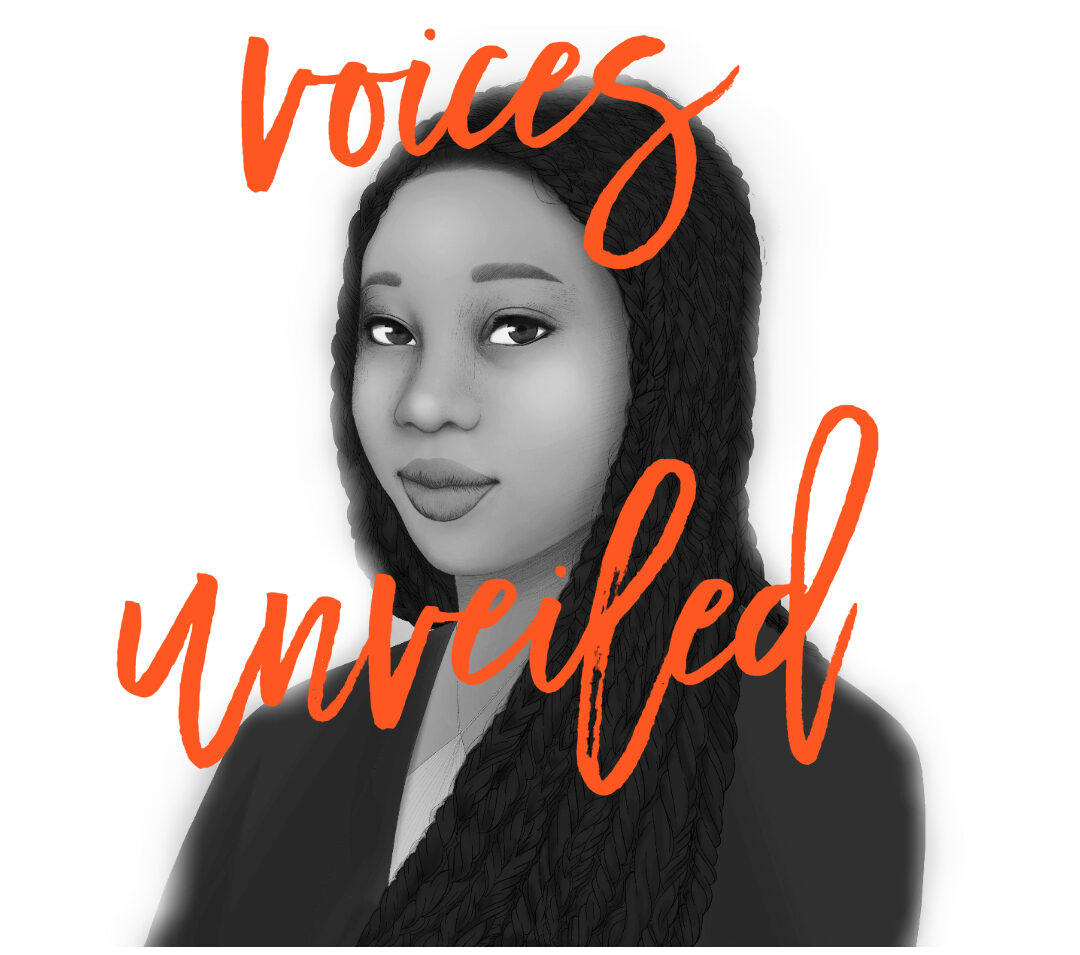
5 years after leaving islam by mariam oyiza aliyu
Five years ago today, I began to speak openly about something I had carried in silence for so long: my story with Islam, my trauma around being Muslim, and the deep conflict between my faith and my work in humanitarian and charity spaces.
For years, I tried to reconcile the two. I tried to be a devoted Muslim and a feminist. I tried to be a believer and a defender of human rights. But every time I looked closely, I felt a painful clash. I was fighting for women’s rights, yet I was part of a religion that, in my experience and understanding, did not give women equal rights. A religion that allows wives to be beaten, that gives one gender power to “do and undo” over the other. A religion that normalizes polygamy, where women in those marriages often live like shadows of themselves. A religion that, in many of the ways it’s practiced and justified, supports child marriage and other forms of harm.
I kept asking myself: how do I fight for women and children, and at the same time defend a system that, as I saw it, hurts them?
Then came the question of role models. Who was I supposed to look up to? In Islam, the ultimate example is Prophet Muhammad. But as I read more, thought more, and listened to my own conscience, I came to see him in a way I could no longer accept. I saw someone who, by modern standards and my own moral compass, married children, caused harm, and justified violence, including killing people and taking their wives. That is not the kind of person I want as a moral example. That is not the kind of leadership I want to build my ethics around.
At the same time, I was watching what was happening in Nigeria. The rise of extremism. The horrors of Boko Haram. The ways religion my religion was being used to justify terror, control, and brutality. I felt suffocated. I felt trapped between what I was told to believe and what I knew in my heart was wrong.
In 2020, I finally said out loud that I was questioning Islam. I didn’t stop immediately. I kept trying, kept praying for a while, kept hoping I could somehow make it all fit. But slowly, pieces fell away. I stopped praying. I stopped forcing myself to perform a faith that felt like betrayal to myself, to women, to children, to everything I stood for.
In 2022, I took off my hijab. I left my country. And with every step, I felt a lightness I hadn’t known in years. Since then, it has been nothing short of bliss.
So today, I am celebrating.
I am celebrating five years of freedom.
Five years of freedom from Islam.
Five years of freedom from hate masked as holiness.
Five years of freedom from the hijab as a symbol of control and expectation, not faith.
Five years of freedom from abuse, from religious guilt, from the fear of hell weaponized against my mind.
Five years of freedom from feeling “superior” to others because of how I wash or what rituals I perform.
Five years of freedom from the idea that I am better than others because I follow a prophet who, in my eyes, uses fear and threats to keep people obedient.
I no longer want superiority. I want humanity.
I no longer want fear. I want freedom.
I no longer want to shrink myself to fit into a belief system that hurts the very people I am fighting for.
Today, I celebrate me.
I celebrate my courage to question what I was told could never be questioned.
I celebrate my strength to walk away from a system that demanded my silence.
I celebrate the girl who removed her hijab, left her country, and chose herself.
I celebrate the woman I am becoming—one who builds her ethics on compassion, equality, and justice, not fear.
And I celebrate every ex-Muslim around the world everyone who is doubting, questioning, breaking, rebuilding. Everyone who has walked away from a belief that wounded them, even when it meant losing family, community, safety, or home.
Five years of freedom.
Five years of breath.
Five years of finally, truly, living.
Today, I honor my journey.
Today, I celebrate me.
